
5 Common Laundry Problems Solved by Professional Hotel Linen Rental Providers
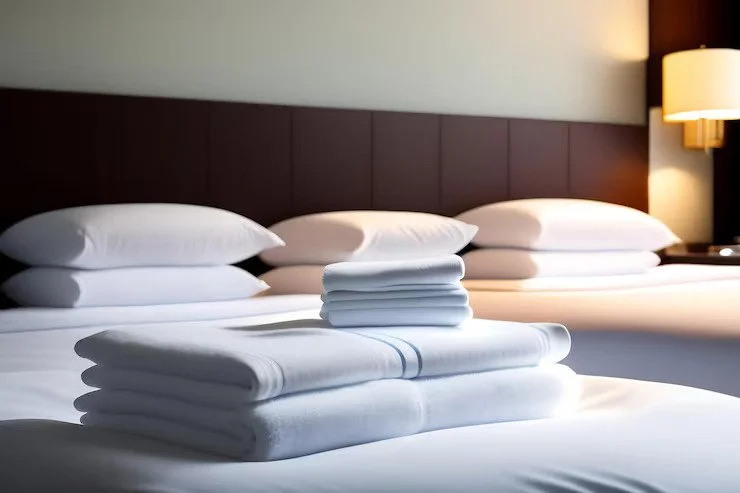
Clean linen is one of those things guests hardly notice—until it’s not perfect. The feel of crisp sheets, soft towels and a fresh scent instantly shapes how comfortable and cared for someone feels during their stay.
Yet many hotels quietly struggle behind the scenes. Managing laundry in-house is complicated, time-consuming and costly. Even small mistakes can affect hygiene, fabric quality and guest satisfaction.
In this blog, you’ll discover five common laundry problems hotels face and how professional hotel bed linen solutions solve them. Using research-backed methods, they make laundry more reliable, protect fabrics and keep operations running smoothly.
Why hotels rely on professional linen services
Hotels that move to professional linen care often notice clear improvements across daily operations, including:
Stronger hygiene control across guest rooms
Longer linen lifespan and fewer replacements
Less pressure on housekeeping and operations teams
Predictable and controlled laundry costs
Each of these benefits directly addresses the most common laundry problems hotels deal with.
Inconsistent hygiene and infection risk
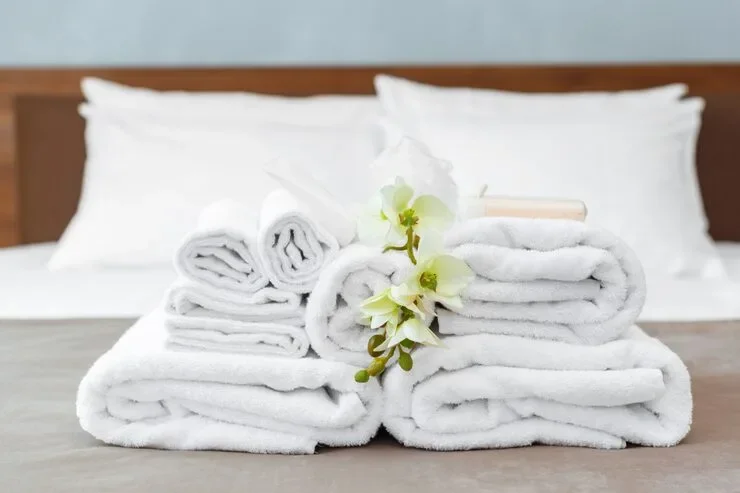
Laundry done in-house may not always be straightforward. New employees, busy days, and different machine cycles can cause changes in temperature, detergent use, and washing time. Such inconsistencies may make linen less fresh and raise the risk of contamination.
On the other hand, professional laundries perform cleanings in a very organised way, basing their methods on scientific research, and prioritising hygiene at every step. The NHS Decontamination of linen for health and social care guidance is a document which describes the hygiene measures, including the proper handling, segregation of soiled items, use of validated wash cycles, drying to the maximum and storage under clean conditions as measures to minimise the risk of infection.¹
This ensures hotels receive consistently clean hotel bed linen that meets high standards for safety and guest comfort.
Faster wear and tear from incorrect handling
Hotel linens face hundreds of wash cycles each year, and how they are treated affects their strength and lifespan. Research shows that repeated industrial laundering can reduce fabric strength by up to 30 per cent, making sheets and towels thinner and more prone to tears.²
High temperatures, use of harsh chemicals, and overloading of the washing machine can exacerbate this kind of wear.
Professional linen care is a clean and gentle process that takes care of the fabrics by protecting them, extending their life and lowering replacement costs.
Poor stain removal and premature disposal
Stains on hotel linen can be stubborn. Ignore them or wash incorrectly, and they sink deep into the fabric, making sheets and towels look worn far sooner than they should.
The right approach changes everything—research shows that correct stain removers, whether commercial detergents or eco‑friendly mixes, combined with sufficient treatment time, remove stains far more effectively than generic washes.³
Professional hotel laundry services are very gentle with each piece and, therefore, able to target stains prior to washing. The result? Linen that lasts longer, remains fresher, and keeps guests happy every time.
Hidden labour and operational costs
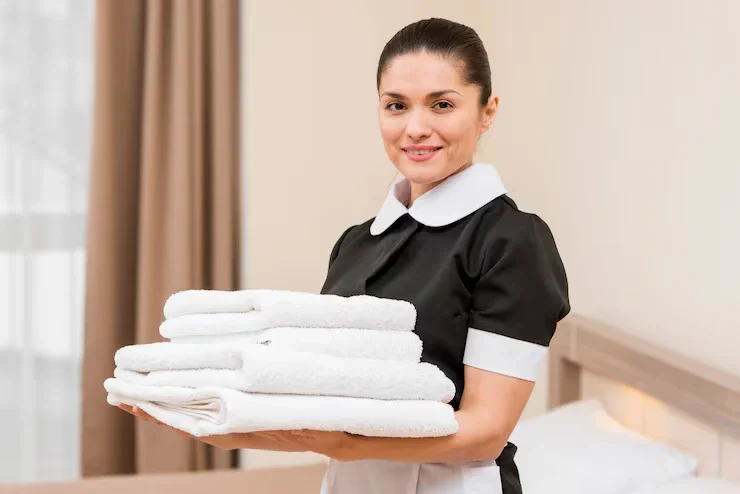
Running laundry in-house? It’s harder than most hotels realise. Daily sorting, washing, drying, and folding can gobble up staff hours—and account for nearly 50% of laundry operating costs.⁴
On top of that, training, supervision, equipment upkeep, and utilities quietly add to expenses. Reliable delivery timing is just as important, which is why many hotels prioritise timely hotel bed linen services to keep operations predictable and stress-free.
Outsourcing to professional hotel linen suppliers turns these unpredictable costs into a fixed, manageable fee, freeing staff to focus on delivering an exceptional guest experience while ensuring linen is always fresh and flawless.
Storage, logistics and inventory challenges⁵
Managing hotel linen rental can turn into a full-blown logistical headache. Shortages. Overstocking. Delays. Each one disrupts housekeeping and throws guest readiness off balance.
Manual counts and outdated systems? Forget it. Linen gets lost or misplaced, costs rise, and operational stress skyrockets.
Enter digital solutions. RFID. Cloud-based tracking. Real-time visibility. Precise inventory control. Smooth linen flow. The result: guests enjoy fresh, high-quality linens every time—without the chaos behind the scenes.
Why research-backed outsourcing works
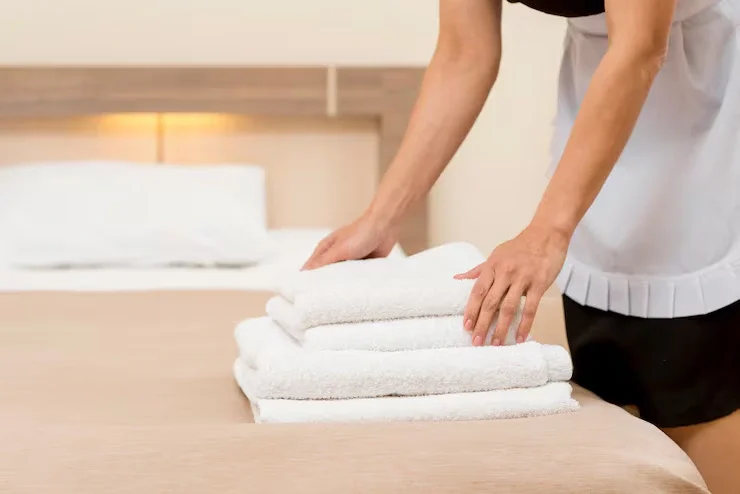
Across healthcare guidance, textile science and hospitality operations, research consistently points to three clear advantages of professional linen outsourcing:
Higher hygiene reliability through controlled and validated processes
Lower total cost of ownership by extending linen lifespan
Better compliance with recognised cleaning and handling standards
The UK textile services industry is built around these principles, helping hotels meet operational, regulatory and sustainability expectations with confidence.
Final thought
Clean, well-maintained linen shapes guest comfort and satisfaction. Hotels using professional, research-backed methods enjoy better hygiene, longer-lasting fabrics and smoother operations.
Staff can focus on exceptional guest experiences instead of back-of-house laundry challenges, ensuring every room feels welcoming and fresh.
Partnering with Mint Linen turns linen management into a seamless, stress-free process. A professional hotel linen laundry servicecan elevate your hotel’s standards, improve efficiency and delight guests—experience the difference today.
Sources:
1. On the other hand, professional laundries perform cleanings in a very organised way, basing their methods on scientific research, and prioritising hygiene at every step. The NHS Decontamination of linen for health and social care guidance is a document which describes the hygiene measures including the proper handling, segregation of soiled items, use of validated wash cycles, drying to the maximum and storage under clean conditions as the measures to minimise the risk of infection.:
https://www.england.nhs.uk/wp-content/uploads/2021/05/Social_care.pdf
2. Hotel linens face hundreds of wash cycles each year, and how they are treated affects their strength and lifespan. Research shows that repeated industrial laundering can reduce fabric strength by up to 30 per cent, making sheets and towels thinner and more prone to tears .:
https://www.nature.com/articles/s41598-023-38969-y
3. The right approach changes everything—research shows that correct stain removers, whether commercial detergents or eco‑friendly mixes, combined with sufficient treatment time, remove stains far more effectively than generic washes.
https://www.ijert.org/a-comparative-study-of-sustainable-and-commercial-stain-removers-on-textiles
4. Running laundry in-house? It’s harder than most hotels realise. Daily sorting, washing, drying, and folding can gobble up staff hours—and account for nearly 50% of laundry operating costs.
https://www.hotelmanagement.net/operate/why-outsourcing-hotel-laundry-can-improve-operations-safety
5. Storage, logistics and inventory challenges
https://hospitalitytech.com/hospitality-linen-management-undergoes-digital-transformation